Optimizing the Search Performance through Advanced Metrics
You have likely looked at a keyword spreadsheet, sorted by "Volume," and questioned why the resulting traffic didn't become revenue. It is a common aggravation. In 2026, finding the best keywords requires more than just trying to find the most significant numbers; it requires understanding exactly how a user is searching.
The "Citation Moat": SEO goals are evolving from just ranking # 1 to protecting citations within AI Overviews (AIOs), which increasingly work as the top outcome. Telegraphic Search: In spite of the rise of conversational AI, users still typically default to "keyword-ese" (e.g., "dental professional 11214") inside LLMs, making particular string matching crucial. The "Unsafe Middle": A strong ROI opportunity depends on complex commercial questions where AI sums up the alternatives, but human confirmation is still needed for the click.
Bring Technique to Execution: Discovering surprise search intent just settles when optimization matches active execution constraints. Platforms like operationalize basic search theory, equating visibility audits into automated representative actions throughout technical codebases, review-grounded blog material, and third-party recognition networks. Fulfill the Tool That Gets Your Products Advised by AI Before opening a single tool, it is handy to understand the environment it operates in.
Leveraging Predictive Trends to Outperform the Competition
The correlation in between a # 1 ranking and high traffic has deteriorated for a section of queries, specifically those that activate AI Overviews (AIOs). To construct a resistant method, think about these three specific shifts in user behavior and engine architecture. A crucial metric in modern-day keyword research study is click likelihood. Comprehensive data reveals that organic click-through rates (CTR) for informative inquiries that set off an AI Summary have reduced by 61% compared to basic SERPs.
This volatility extends to paid search as well, where paid CTR has actually decreased by 68% for terms affected by AI Overviews. Spending for presence does not always ensure traffic if the engine fixes the query at the surface level. While traffic from standard rankings has actually moved, a new target has emerged: the Citation.
Brands that are mentioned within an AI Summary receive 35% more organic clicks and 91% more paid clicks than those that merely appear on the traditional results page. The strategy, therefore, is to identify keywords where you can provide the particular, structured datastats, meanings, or distinct viewpointsthat Large Language Models (LLMs) prioritize for their summaries.
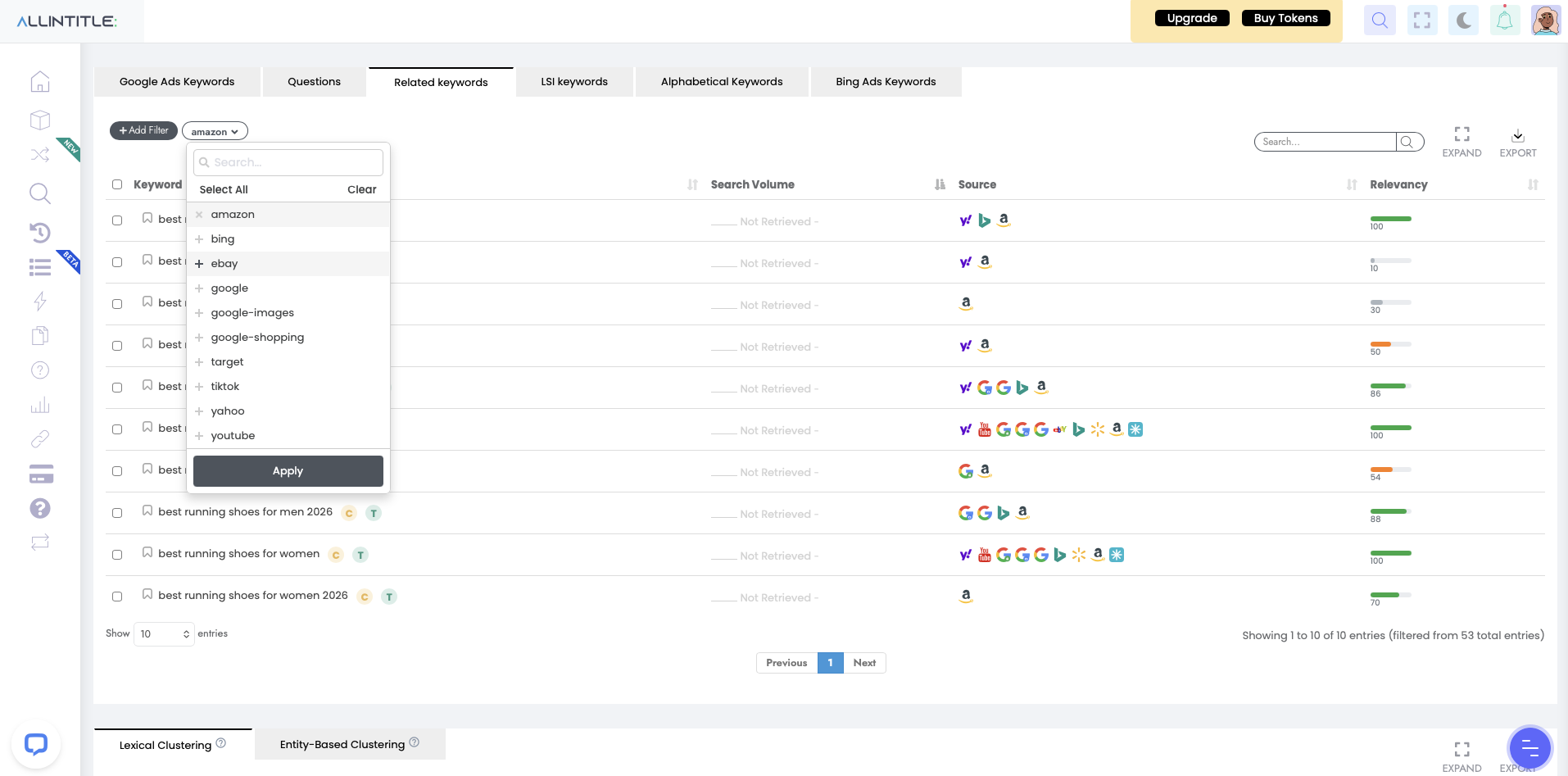
, however the circulation is irregular. This information highlights the "Hazardous Middle" method. Consider targeting intricate industrial querieswhere an AI may sum up options (e.g., "finest business loyalty software application for Shopify"), but the user still needs human confirmation and deep-dive comparisons before making a choice.
GSA SER verified listThe Future of Search Tracking: Real-Time Insights
A common mistaken belief is that users now search specifically with long, conversational sentences. This validates that conventional volume data from tools like Google Keyword Planner stays a useful proxy for need, even in the age of LLMs.
E-commerce performance slips when software merely monitors terms broadly without a clear course to execution. Yotpo Discover is the very first AI visibility platform developed specifically for the complex reality of commerce. It handles critical merchant variables (consisting of hero versus non-hero SKUs, fluid product lifecycles, and regional buyer intents) that basic marketing software totally misses.
It tracks precisely how your products surface across ChatGPT, Gemini, and Google AI Overviews at the structural SKU and classification level. It discovers precisely why a model advised a competitor over your organization, then funnels those real-time insights into three specialized autonomous execution representatives that actively close your coverage gaps: The Onsite Agent: This agent continually scans your store codebase to instantly recognize and repair technical architecture errors, bad internal link structures, and broken item detail page schemas, ensuring AI search spiders can parse your catalog associates with confidence.
The Activation Agent: This agent draws up the particular Reddit threads, retail marketplaces, and community online forums that AI engines actively point out for agreement, triggering your actual validated reviewer base and loyalty members to share genuine experiences directly on those exact platforms. The underlying engine powering this platform is an integrated information moat formed by over a decade of SKU-level signals from Yotpo Reviews and Yotpo Loyalty.
E-commerce innovators like David Protein and Beekman 1802 use this agentic facilities to align their operations with contemporary design behavior. To move past passive tracking and begin optimizing, you can evaluate your store's existing visibility baseline totally free at Classification: Foundational Data Source Best For: Raw, proprietary search information and competitor URL analysis.